Why Simulator Racing Is Exploding Worldwide: From Esports to F1 Driver Training
Without the smell of petrol, without the threat of gravel traps, racing found a new home. One built of pixels, physics engines, and purpose.
There was a time when racing lived only at circuits. Behind gates, across oceans, accessible to the few who could afford the fuel, the tyres, the time, and the risk. Motorsport was glorious—but distant.
Then something curious happened. Without the smell of petrol, without the threat of gravel traps or carbon fibre splintering, racing found a new home. One built of pixels, physics engines, and purpose. Quiet at first. Almost invisible. And then—inevitable.
Simulator racing didn't arrive with a bang. It crept in. And then it took over.
The Unexpected Rise of a New Motorsport Language
Sim racing's growth wasn't driven by novelty. It was driven by authenticity. As technology improved, something fundamental changed: The virtual car began to behave like a real one.
- Grip felt earned.
- Mistakes felt costly.
- Precision felt rewarding.
Suddenly, this wasn't a substitute for racing—it was another form of it. And the world noticed.
From Bedrooms to Broadcasts: The Esports Effect
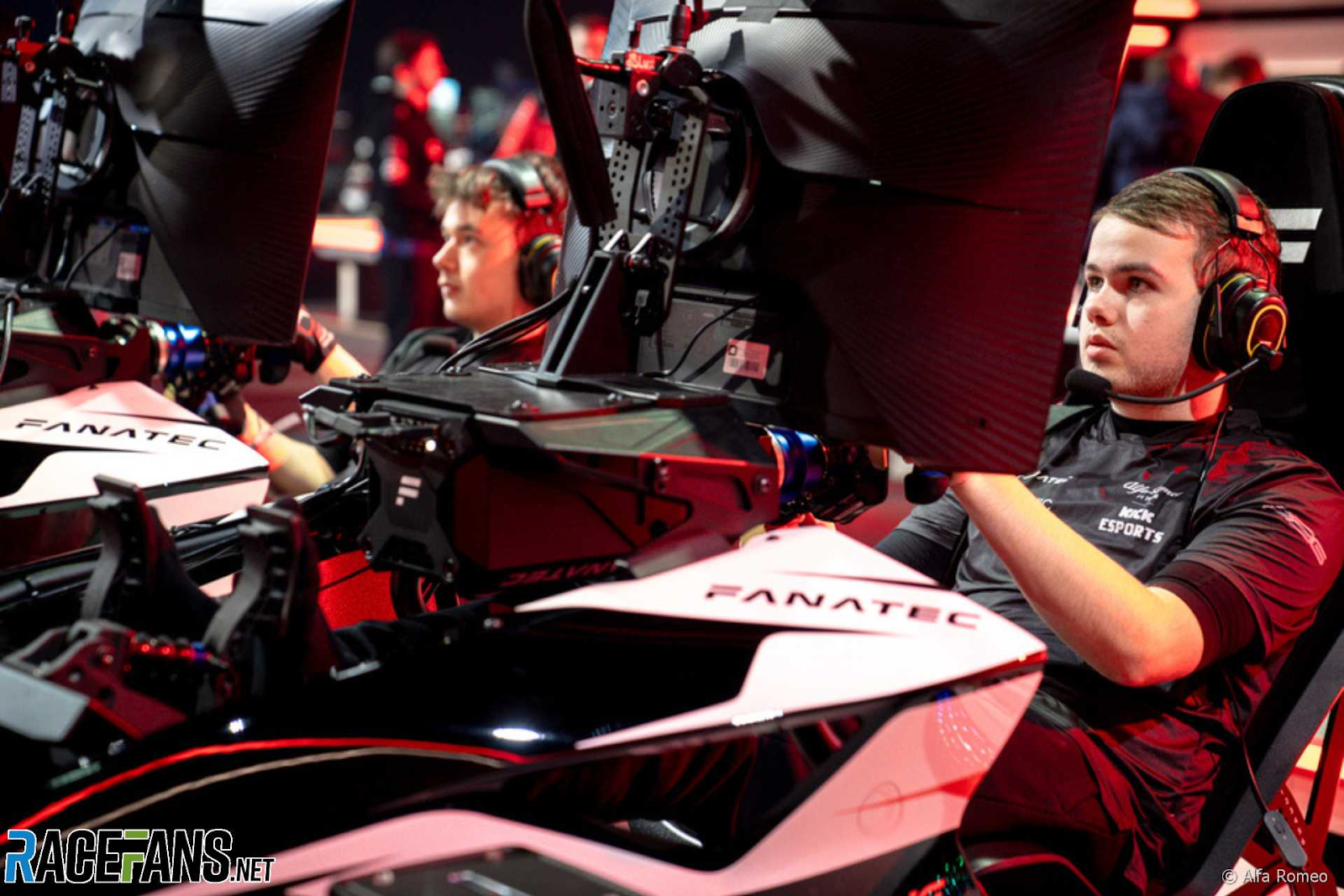
Once, sim racing was a solitary pursuit. A driver alone with a screen, chasing lap times in the quiet hours of the night. Today, it fills arenas.
Global esports championships stream to millions. Professional teams employ data analysts, engineers, and coaches. Drivers train not just their reflexes, but their minds.
What changed? Structure. Competition. And credibility.
Sim racing became a proving ground—a place where talent could no longer hide behind budget. Where lap time was the only currency that mattered. And perhaps most importantly, where anyone could compete.
When Formula 1 Took Sim Racing Seriously
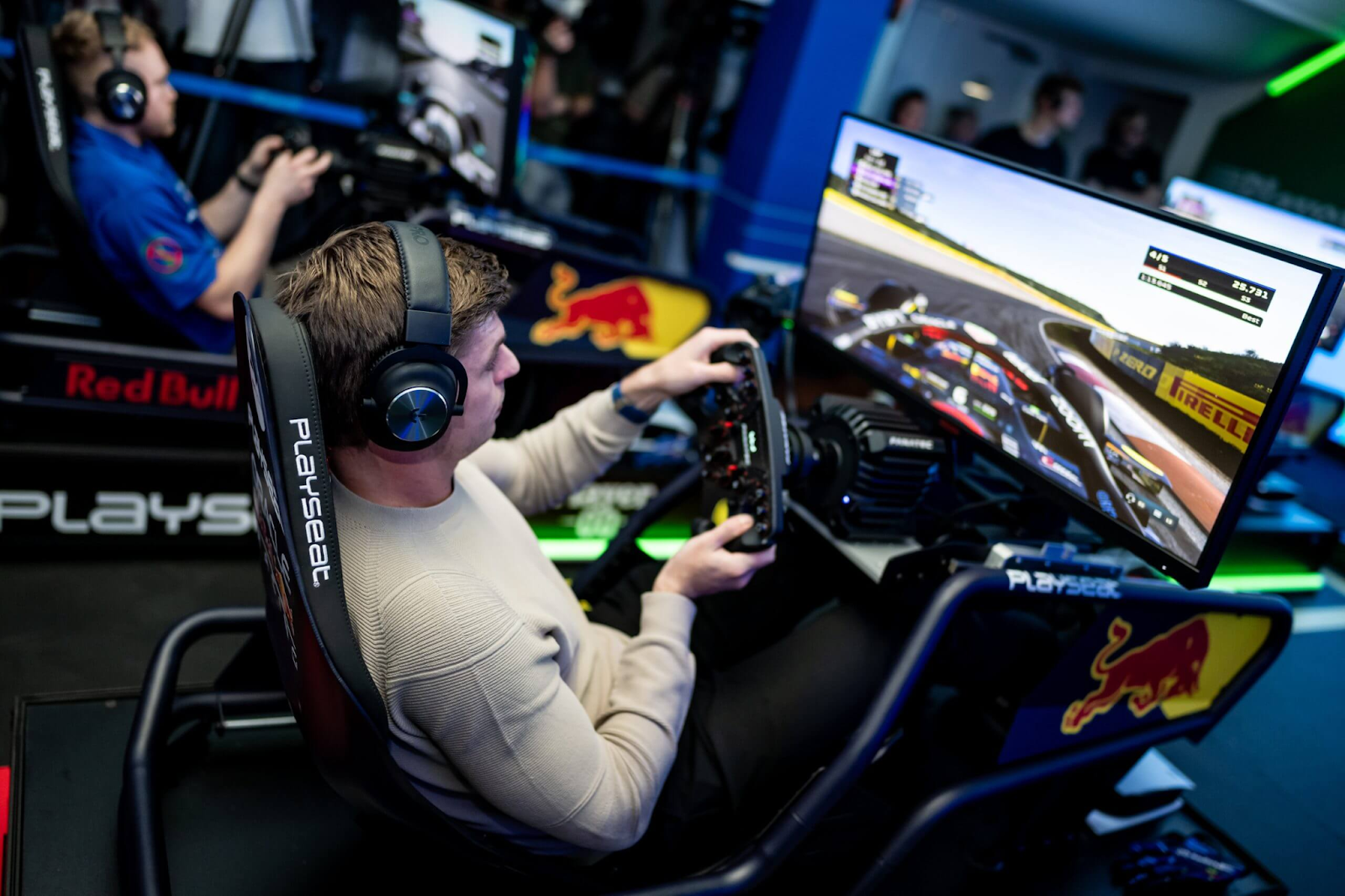
There's a moment in every technology's life when it earns respect. For sim racing, that moment came when Formula 1 drivers stopped hiding their simulators. Max Verstappen speaks openly about spending thousands of hours racing online. Lando Norris streams his sim sessions between Grands Prix. Charles Leclerc uses simulators to refine race craft and circuit familiarity.
These aren't endorsements. They're admissions. When the fastest drivers in the world trust simulators to sharpen their instincts, the conversation changes entirely. Sim racing is no longer play. It is preparation.
Why Simulators Work Where Other Training Can't
Real-world testing is precious. Limited. Incredibly expensive.
Simulators, by contrast, are generous. They allow repetition. They allow failure. They allow exploration.
A corner can be taken a hundred different ways in a single evening. Braking points adjusted by millimetres. Lines refined until instinct replaces thought.
This is why professional teams invest heavily in simulation—and why enthusiasts find themselves learning faster than they ever imagined possible. The simulator doesn't just teach you how to go fast. It teaches you why.
Accessibility: The True Catalyst
For all its technical brilliance, the real reason sim racing exploded is simpler: It opened the door.
You no longer needed a racing licence, a transporter, a pit crew, or a bank account capable of sustaining heartbreak. All you needed was curiosity.
Sim racing collapsed the distance between fan and driver, between spectator and participant. It allowed people to stop watching motorsport and start experiencing it. That shift—from passive to active—is seismic.
Why This Matters Now—Especially in India
India has always loved motorsport from afar. Late nights watching Formula 1. Early mornings following MotoGP. Passion without proximity. Sim racing changes that equation. It brings the sensation home. It gives form to fascination.
And this is where the story becomes local.

Simfiniti and the Global Movement
Across the world, sim racing has become a cultural force. In India, Simfiniti is shaping how that force is experienced.
Rather than confining simulators to private homes or niche gaming rooms, Simfiniti places them where people gather—restaurants, pubs, malls, campuses, events. Social spaces. Lively spaces. Human spaces.
It's a subtle but powerful shift. Sim racing becomes a shared experience, a conversation starter, a challenge between friends, a spectacle for onlookers.
In doing so, Simfiniti aligns perfectly with what made sim racing explode globally in the first place: accessibility paired with authenticity.
The Emotional Hook
There's something quietly profound about watching someone climb out of a simulator after their first session. The grin arrives before the words. The hands gesture unconsciously, replaying corners in the air. The eyes are brighter.
That's the moment sim racing delivers—not just speed, but emotion. It's the feeling of having driven properly. Of having earned a lap time. Of understanding, for the first time, why racing drivers speak the way they do. That feeling is universal. And once felt, it's rarely forgotten.
Not a Trend, But a Transformation
Simulator racing isn't booming because it's fashionable. It's booming because it's honest. Honest in its physics. Honest in its competition. Honest in the way it rewards skill over spectacle.
From esports arenas to F1 driver training rooms, from living rooms to vibrant social venues, sim racing has quietly rewritten the rules of motorsport participation.
And with platforms like Simfiniti bringing this experience to Indian audiences, the next generation of racing passion isn't just watching history unfold. They're driving it.
If you'd like to experience the thrill of racing — whether you're a seasoned motorsport addict or someone curious about that first lap — Simfiniti is your gateway.
Visit: www.simfiniti.com
Follow @sim.finiti on Instagram
Try a race. Feel the difference. Experience Endless Play.